

Introduction
When people think about Indian food, the first word that often comes to their mind is “spicy.” Spice is part of the charm, but Indian cuisine is so much more than heat. It’s a world of slow-cooked flavours, fragrant herbs, creamy textures, smoky grills, soft breads, comforting lentils, colourful vegetables and sweet finishes.
Indian cuisine in Singapore has carved out a special niche among the locals, working professionals, families, tourists and serious food lovers in Singapore, where the food culture is dearly loved and widely celebrated. Offering variety, comfort and character in every meal, it fits right in to the city’s exciting dining scene.
Indian food is more than a choice of cuisine, be it for casual lunches, family dinners, festive celebrations or corporate catering. It’s a bonding experience. To truly appreciate it, we need to look beyond spice and delve into the depth, diversity and emotion behind every dish.
Indian Cuisine Is More Than Just Heat
The biggest misconception about Indian food is that it’s hot and spicy all the time. The fact is, Indian cooking is all about balance. Spices are not just to make food hot. They are used for aroma, depth and personality.
That’s why two Indian dishes can have similar ingredients but taste completely different. It’s the difference between a creamy butter chicken that feels smooth and comforting and a bold, smoky tandoori kebab. Dal is comforting and gentle, biryani is celebratory and complex.
Indian food is not about one flavor. It’s about the flavor journey.
Singapore’s Love for Bold and Meaningful Food
Singapore is one of the best places for Indian food to flourish, people here understand food deeply. The city is known for its hawker culture, multicultural dining, late night meals, food delivery, family feasts and celebration menus. Singaporean diners want more than food to fill their stomachs. They want food that tastes good, that’s good quality and has a story to tell.
And this is the magic of Indian food. It has dishes that are comforting enough for everyday, special enough for occasions. Biryani can be a quick lunch dish, but it can also be the main attraction at weddings, office parties and family celebrations. A bowl of dal can seem simple, but so deeply satisfying. Plate the kebabs and turn an average dinner into a party.
Indian food has added colour, warmth and depth to the foodscape of Singapore.
The Regional Diversity Behind Indian Food
Indian food is not one style of cooking. It takes its shape from different regions, climates, communities, traditions and ingredients. This diversity is one of the things that makes Indian food so exciting.
North Indian cuisine is famous for its rich gravies, tandoori dishes, naan, paneer, kebabs, butter chicken, dal makhani and biryani. These dishes are hearty, aromatic and perfect for people who like strong but rounded flavours.
South Indian cuisine has its own identity with dosa, idli, sambar, rasam, coconut-based dishes and rice-focused meals. It’s often lighter, more tangy and deeply warming.”
Western Indian food can include snacks, chaats, vegetarian dishes and sweet-savoury combinations. Eastern Indian cuisine brings delicate sweets, fish dishes and mustard-based flavours.
In Singapore, diners can try many of these regional influences in one setting. That is the beauty of Indian food, there is always something new to explore.
The Ritual of Sharing: How Indian Dining Creates Connection
Indian food is not only about the food served on the table but also about how it is experienced. One of the most distinctive features of Indian dining is that of sharing culture. Rarely are meals intended to be eaten alone or in isolation. Instead, they are designed to bring people together, to spark conversation, connection and a sense of belonging.
It’s a tradition that makes perfect sense in Singapore, where social dining is so prized. An Indian meal is often a shared experience, be it a family gathering, a casual get-together with friends or a festive celebration. Dishes are laid out in the center and everyone eats from them, allowing for a rhythm that is both simple and meaningful.
It’s a more relaxed kind of eating. It allows people to stop, chat and really enjoy the moment. In a fast paced city like Singapore, this togetherness adds an emotional value to the dining experience. It makes an ordinary meal memorable.
The Art of Balance: Flavour, Texture and Emotion
Indian cuisine is built on the foundation of balance. “It’s not just about the mixing of ingredients, but about creating harmony between flavours, textures and even emotions.” Each meal is carefully planned for contrast and completeness.
Often there’s a nice balance of richness and lightness, warmth and freshness, softness and crunch. This balance prevents one taste from overwhelming the others. Instead, each bite is full of layers and satisfaction.
This balance is also a deeper philosophy beyond taste. Food is perceived as a means of feeding both the body and the mind. It should comfort and invigorate and provide a sense of accomplishment beyond hunger.
This adds a new dimension to the dining experience in Singapore. It breaks away from one-dimensional tastes and presents a more considerate way of eating. It invites people to appreciate not just what they are eating, but how it makes them feel.
This is what makes Indian food unique. It’s not only spice, or richness. It’s about creating an experience that feels deeply satisfying, balanced and whole.
Vegetarian Indian Food Deserves the Spotlight
One of the biggest strengths of Indian cuisine is its vegetarian variety. Unlike many cuisines where vegetarian options feel limited, Indian food makes vegetables, lentils and dairy the stars of the menu.
Dishes like palak paneer, chana masala, dal makhani, aloo gobi, vegetable biryani, paneer tikka and mixed vegetable curry are packed with flavour and texture. These are not just meat dish alternatives. They are strong enough to stand alone.
This is especially helpful in Singapore where when people gather for events and group meals, they usually have different dietary preferences. Indian vegetarian food is colourful, filling and can be enjoyed for everyday meals and special occasions.
Indian food has endless options for hearty meat-free meals, if you’re a food lover.
Kebabs, Tandoor and Smoky Flavours
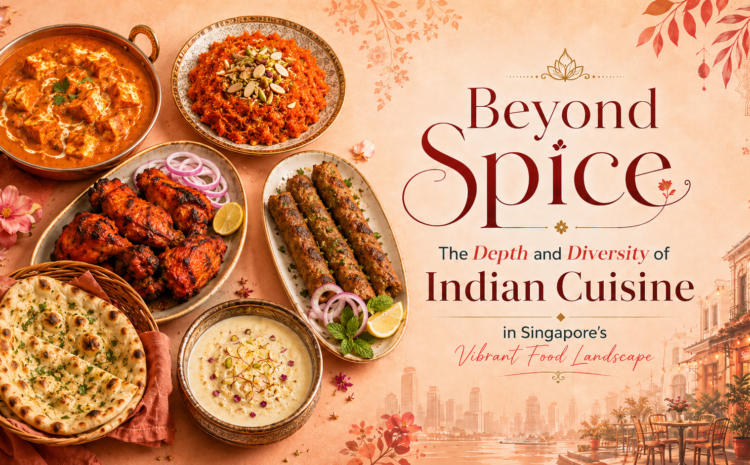
The tandoor adds another dimension to the Indian cuisine. Tandoori cooking gives dishes a smoky, charred intensity. Chicken tikka, seekh kebab, fish tikka, paneer tikka and tandoori chicken all have a different flavour to curries and rice dishes:
What makes tandoori food so appealing is its texture. Smoky outside, tender inside, and bursting with spice-marinated depth. Kebabs are also excellent for sharing, ideal for parties, office meals and festive buffets.
Indian meals are spiced up with tandoori platters and kebabs, in a Singaporean dining culture that enjoys variety on the table.
Indian Sweets and the Joy of Ending Well
An Indian meal is not considered complete without something sweet. Indian desserts have their own kind of richness. They are commonly prepared with milk, nuts, cardamom, saffron, flour, ghee, or lentils.
Gulab jamun is indulgent, soft and syrupy. Rasmalai is light and creamy. Kheer is soothing and comforting. Carrot Halwa is warm and celebratory. When it comes to celebrations, the first sweet people think of is payasam.
In Singapore, Indian sweets are commonly eaten at festivals, family get-togethers and catered events. They add to the sense of occasion and are a memorable end to the meal.
Contemporary Singapore Indian Cuisine Events
Indian food is not just for the restaurant. It is a popular choice for catered meals in Singapore as well. Indian cuisine is very diverse and flexible and can be an asset for birthdays, weddings, corporate lunches, festive gatherings and private parties.
A catering menu can feature biryani, curries, breads, vegetarian dishes, kebabs, snacks and desserts. This makes it possible to please a large number of guests with different tastes.
Biryani Sets or Curry Bowls are a convenient and satisfying option for corporate functions. A buffet spread can feel grand and festive for weddings. Sharing trays and party packs makes serving up for family gatherings easier.
Indian cuisine works well for events because it feels generous, colourful and memorable.
The Undiscovered Side of Indian Cuisine
Apart from the popular favourites, there are a lot of lesser-discussed elements of Indian cuisine that are worth exploring. Lentils, local breads, pickles, chutneys, spice mixes, slow-cooked gravies and seasonal vegetables all add depth to the dining experience.
Even a side dish can make or break a meal. Raita is cooling and refreshing to the mouth. pickles are sharp. Chutneys add sweetness, spice or tanginess. Papad adds crunch. Salad brings freshness.
These small details are often overlooked but it’s these details that make Indian food complete. They’re proof that Indian food is not just about fiery mains. It is about balance, contrast, and harmony.
Why Indian Cuisine Continues to Grow in Singapore
Indian food remains popular in Singapore because it suits the way people eat today. It offers comfort for everyday dining, variety for group dining, vegetarian options for inclusive menus and richness for celebrations.
It appeals to adults who care about food experiences as well. People no longer care just about quick meals. Many want food that feels like it has meaning, authenticity and satisfaction. Indian cuisine does this through its history, ingredients and cooking techniques.
Indian food is memorable because it has soul, in a city of food choices.
Conclusion
Much more than spice, Indian food in Singapore is. It’s a celebration of depth, diversity, tradition and unity. There is something unique to offer in the Biryani and curries, breads and kebabs, vegetarian dishes and sweets.
Indian food is still distinctive in the busy food scene in Singapore for its richness without being one-dimensional, comfort without being plain and festivity without needing a special occasion.
Indian cuisine is a delightful journey much more than spice: it’s for anyone who wants to explore food with warmth, character and story.
FAQs
1. What makes Indian cuisine in Singapore popular?
Indian cuisine is popular in Singapore because it offers rich flavours, wide variety, vegetarian options and dishes for everyday meals and special occasions.
2. Is Indian cuisine spicy?
No. Indian cuisine is not always hot. Many dishes are mild, creamy, smoky, tangy or fragrant. Spices are used for flavour and balance, not just heat.
3. What are popular Indian dishes in Singapore?
Biryani, butter chicken, mutton curry, naan, kebabs, paneer dishes, dal, chana masala and Indian sweets are popular foods.
4. Is Indian cuisine good for catering?
Yes. Indian food is a good option for catering because of its variety and large portions, and it offers options for both vegetarians and non-vegetarians.
5. What vegetarian Indian dishes are worth trying?
Some vegetarian dishes worth trying are palak paneer, paneer tikka, dal makhani, chana masala, aloo gobi and vegetable biryani.